
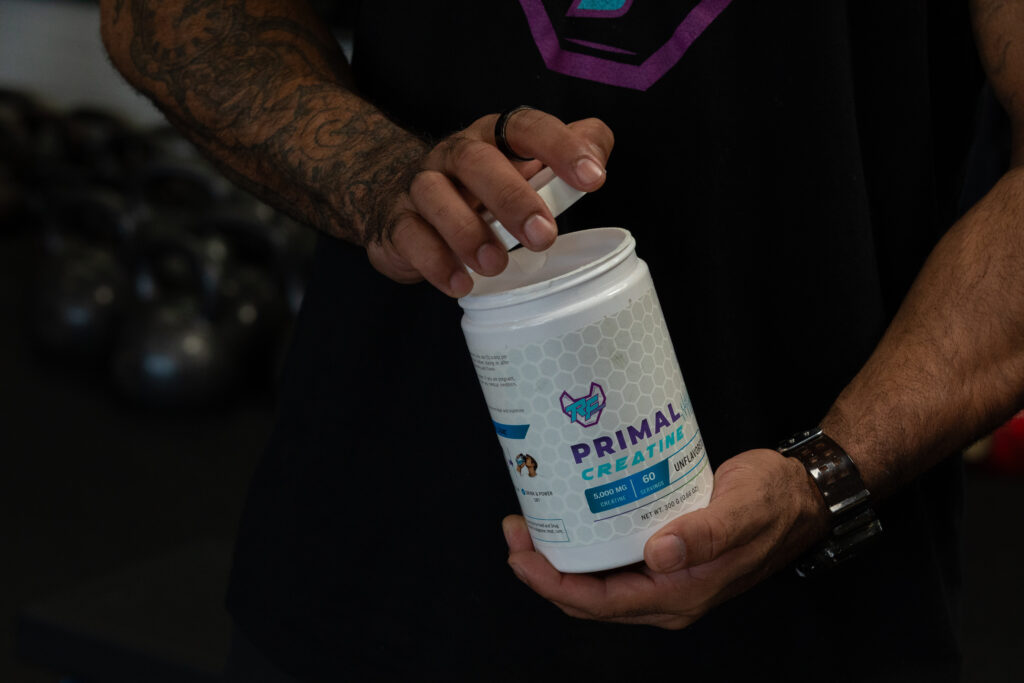
Creatine Isn’t a Trend: Why This Supplement Is Everywhere Right Now
If it feels like everyone is talking about creatine right now, you’re not imagining it.
It’s showing up in gym bags, morning routines, running conversations, podcasts, social media feeds, and supplement stacks. And with all the attention it’s getting, it would be easy to assume creatine is the latest trend in sports nutrition.
Except there’s one problem with that:
Creatine isn’t new. Not even close.
Creatine was first identified in 1832, and athletes have been supplementing with creatine for decades. It became particularly popular in sports and fitness during the 1990s.
So why, nearly 200 years after its discovery, does creatine suddenly seem to be everywhere?
Creatine Has Been Around Longer Than You Think
Creatine is a naturally occurring compound made from amino acids and stored primarily in skeletal muscle. Your body produces creatine naturally, and you can also get small amounts through foods such as meat and fish.
Scientists first identified creatine in muscle tissue in 1832. However, it wasn’t until much later that researchers began extensively studying its potential role in exercise and athletic performance.
By the 1990s, creatine supplementation had gained significant attention in the sports world. Over the decades that followed, creatine monohydrate became one of the most extensively researched supplements in sports nutrition.
In other words, creatine didn’t suddenly become effective because it became popular on social media.
The attention is new. The research isn’t.
Why Do Athletes Take Creatine?
To understand why creatine has remained relevant for so long, it helps to understand what it actually does.
Your muscles use a molecule called ATP as a rapid source of energy, particularly during short bursts of high-intensity activity.
Think:
Heavy lifting.
Sprinting.
Explosive movements.
Hard intervals.
Repeated high-intensity efforts.
Creatine helps support the body’s ability to rapidly regenerate ATP, which is one reason creatine supplementation has been extensively studied for its role in strength, power, and high-intensity exercise performance.
That makes it especially relevant for athletes who lift, sprint, compete in functional fitness, or participate in sports requiring repeated explosive efforts.
Creatine Isn’t Just for Bodybuilders
For years, creatine had a reputation as something primarily used by bodybuilders or people trying to gain muscle.
That’s changing.
Today you’ll see creatine being used by recreational gym-goers, competitive athletes, women, runners, CrossFit athletes, HYROX competitors, cyclists, and people simply looking to support their training.
And that’s an important distinction.
Taking creatine doesn’t replace training.
It doesn’t replace nutrition.
And it doesn’t replace recovery.
It’s another tool that can support the work you’re already putting in.
Why Is Creatine Suddenly So Popular Again?
Part of creatine’s resurgence comes down to education.
People have more access to sports nutrition research than ever before. Coaches, dietitians, athletes, researchers, and fitness professionals are discussing creatine with audiences that extend far beyond traditional bodybuilding communities.
At the same time, consumers are becoming more interested in understanding what is actually in their supplements and why they’re taking it.
That’s something we believe strongly in at RF Supplements.
More ingredients don’t automatically mean better results.
Sometimes the simplest products are the ones that earn a permanent place in your routine.
Creatine monohydrate is a perfect example.
Creatine Works Best With Consistency
Creatine also isn’t something you need to save for your hardest training day.
Supplementing consistently helps maintain elevated creatine stores in the muscles over time.
A commonly used daily amount is 3–5 grams of creatine monohydrate per day.
Training day? Take it.
Rest day? Take it.
Long run day? Take it.
Recovery day? Take it.
The exact time of day is generally less important than making it part of a routine you can consistently follow.
That’s why we like to keep the message simple:
3–5g. Every day. Stay consistent.
Do You Need to Load Creatine?
You’ve probably heard of a “creatine loading phase,” where someone takes a larger amount of creatine for several days before switching to a smaller daily amount.
Loading can increase muscle creatine stores more quickly, but it isn’t required.
Taking a consistent daily amount can also increase creatine stores—it simply takes longer.
For many athletes, the easiest approach is the one they’ll actually stick with.
What Type of Creatine Should You Look For?
Walk into a supplement store and you’ll probably find several different forms of creatine with increasingly complicated names and claims.
But complicated doesn’t necessarily mean better.
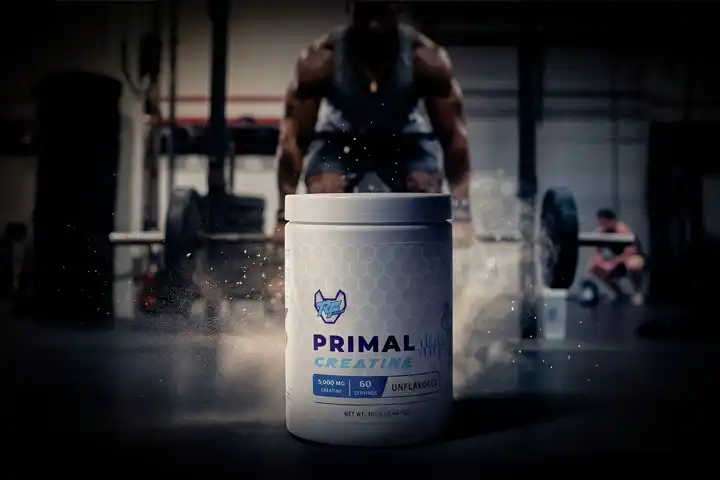
Creatine monohydrate is the form used in the vast majority of creatine research and remains the standard choice for athletes looking to add creatine to their routine.
That’s why we keep ours straightforward.
No need to overcomplicate something that already works.
The Bottom Line
Creatine may be trending right now.
But creatine itself isn’t a trend.
It’s been studied for decades and has become one of the most established supplements in sports nutrition for supporting strength, power, and high-intensity exercise performance.
And maybe that’s exactly why it’s having another moment.
As athletes become more intentional about what they put into their bodies, we’re seeing a shift away from unnecessarily complicated supplement routines and toward ingredients that have a clear purpose.
Train consistently. Recover intentionally. Keep your supplements simple.
Creatine fits right into that philosophy.
Built From Within.



Leave a Reply